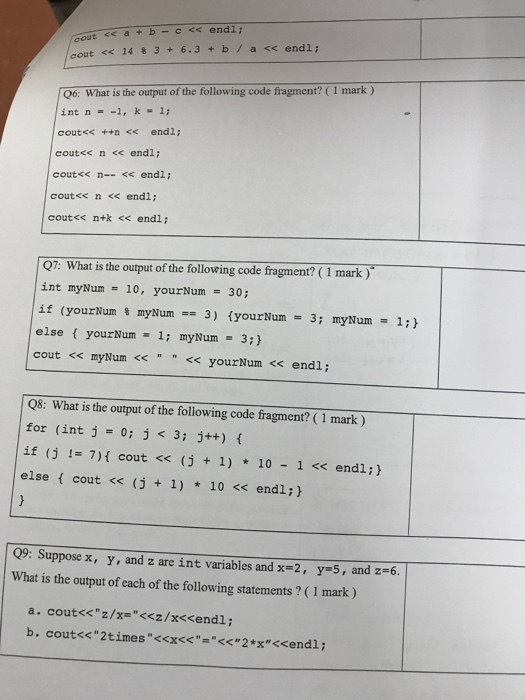
There’s no other clarification so don’t ask<br/><img src="https://media.cheggcdn.com/media%2F6c5%2F6c507bd5-9f40-410b-8f6e-6b0ee0ff59e0%2Fimage" alt="media%2F6c5%2F6c507bd5-9f40-410b-8f6e-6b"/><img src="https://media.cheggcdn.com/media%2Fd4e%2Fd4e93a46-31fa-4ae4-bcf4-1df706d95d16%2Fimage" alt="media%2Fd4e%2Fd4e93a46-31fa-4ae4-bcf4-1d"/>Show transcribed image text
<br/><img src="https://media.cheggcdn.com/media%2Fabd%2Fabd57393-794e-46a6-912e-04261974b4bf%2Fimage" alt="5. Find the CDNF of these Boolean functions a) X+ y b) ху d) y" aria-describedby="d3f"/>5. Find the CDNF of these Boolean functions a) X+ y b) ху
The following Haskell function computes all the subsets of a set.subsets :: [a] -> [[a]]subsets [] = [[]]subsets (x:xs) = [zs | ys <- subsets xs, zs <- [ys, (x:ys)]]Example